
Find out which species are native to your area before choosing plants by appearance alone. Local extension resources and native plant groups can help narrow the options. Then compare those options with the sunlight, soil and moisture in your yard.
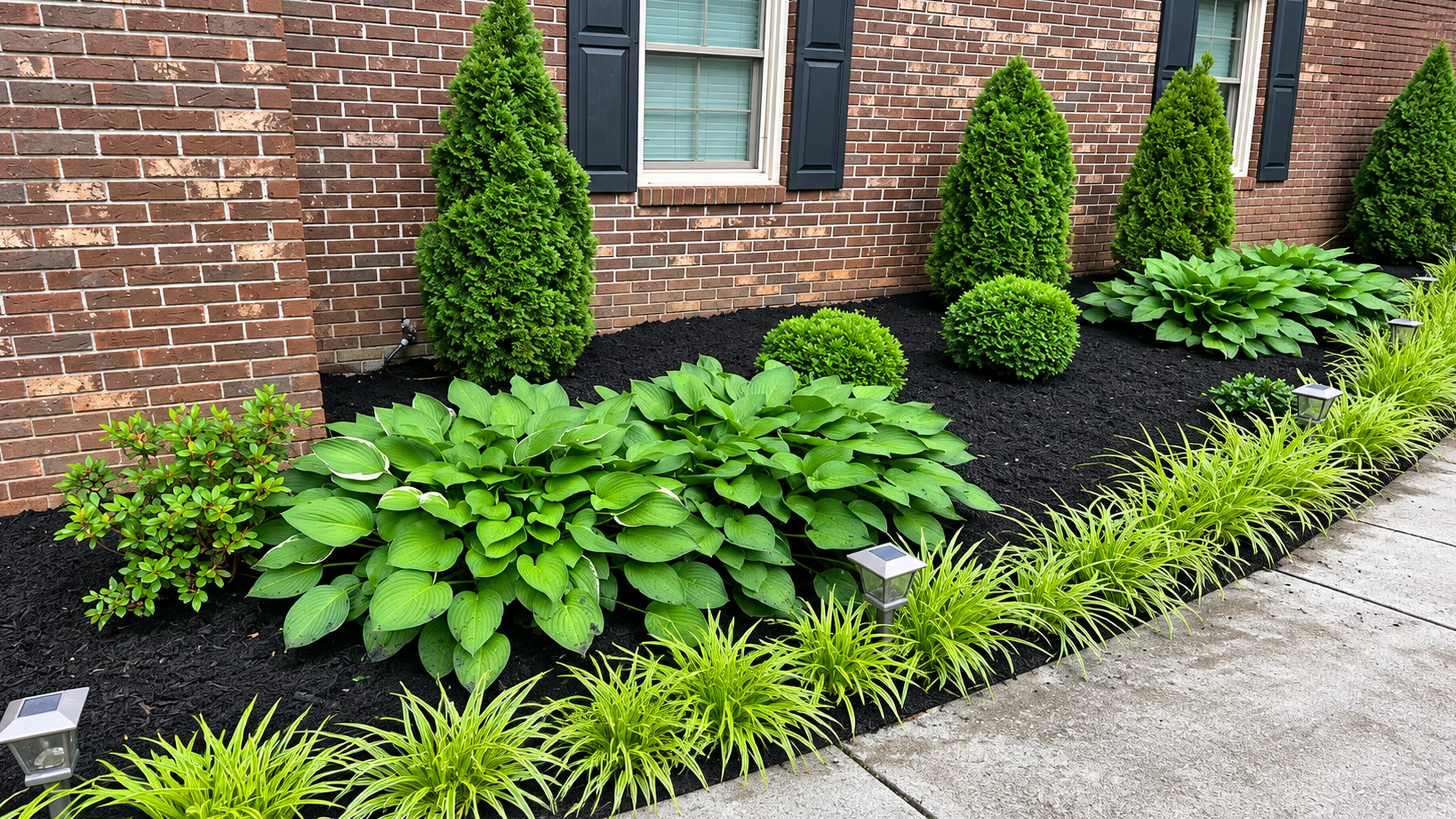
Layer the garden with taller plants behind lower growth, and repeat compatible groups to create a connected arrangement. Plants with similar light and water needs are easier to care for together. Leave room for their mature size instead of filling every gap immediately.
Grasses, shrubs and trees bring different forms to the garden. Little bluestem and switchgrass offer movement, while serviceberry adds seasonal interest. Larger trees such as oak and red maple need space for their eventual canopy and roots.
Young plants may need supplemental watering even when the species is suited to the region. Give them time to establish before expecting a settled landscape. Watch their growth and adjust care to actual conditions rather than assuming a native garden needs no attention.
We can talk with you about fitting new planting into an existing landscape or starting a fresh bed. The aim is a garden with lasting interest and useful habitat. Begin with the right plants in the right locations and let the design develop from there.