
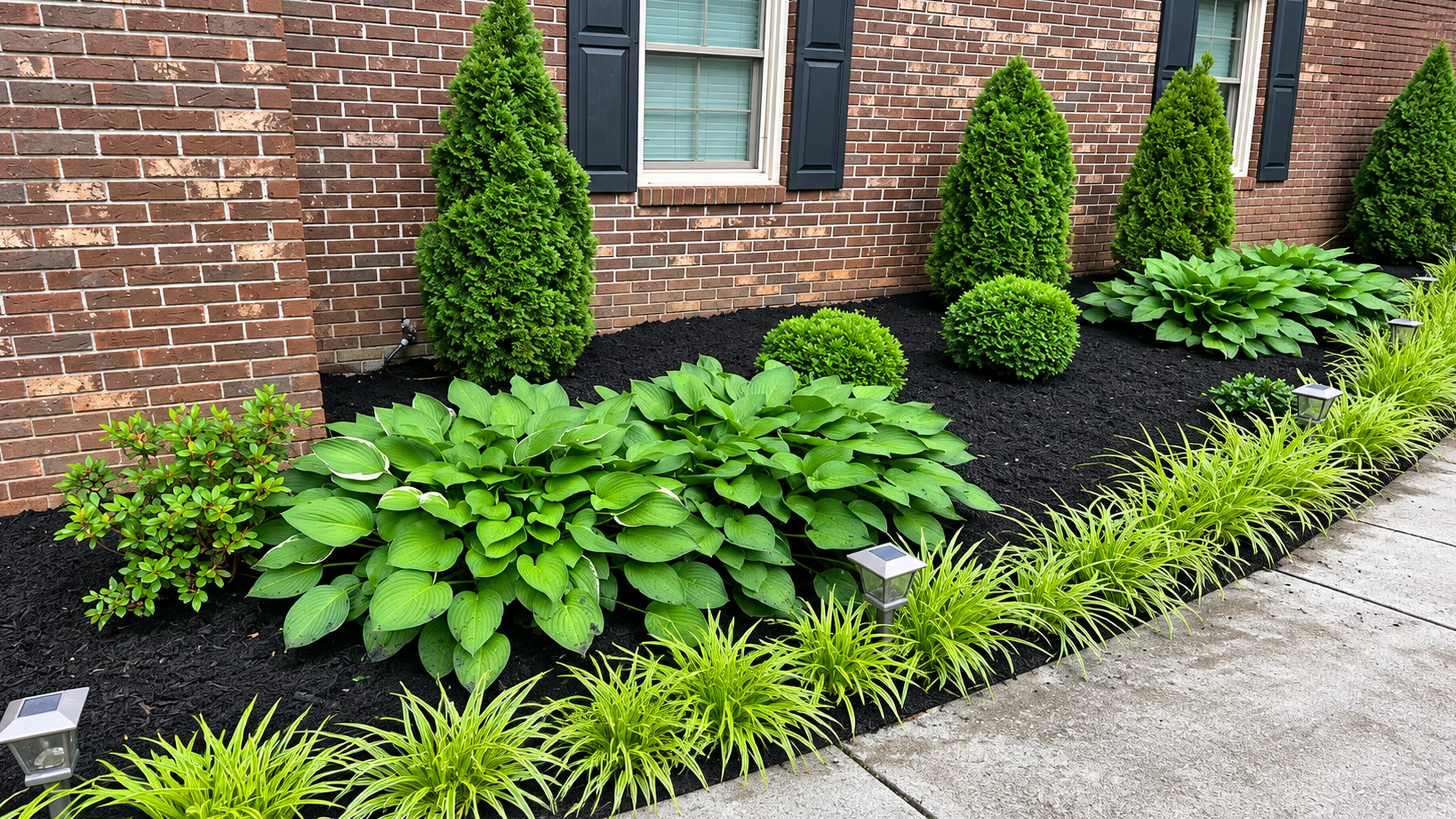
A busy route to a patio needs a surface and width suited to regular use. A quieter garden trail can take a more exploratory line. Keep the scale in proportion with the surrounding beds so the path neither disappears nor dominates.
Flagstone and slate can create a natural appearance, while brick and concrete pavers offer other patterns and textures. Gravel gives a different walking experience again. Compare practical footing, upkeep and weather exposure alongside appearance.
Curves can reveal parts of a larger garden gradually. A straight route can emphasize a destination and simplify everyday movement. Neither is automatically better; the right layout follows the space and the reason for walking through it.
Edging gives the path a defined boundary, and its color can connect with nearby materials. Lighting can make changes in direction and level easier to see. Plan these details together so they support the route rather than cluttering it.
We can talk through how a walkway connects your home, seating areas and planting. Tell us where people already walk and which destinations you want to reach. That practical starting point gives the garden a path that feels like it belongs.